I just really love running. I enjoy the simplicity of it, the freedom of the road or trails, and the challenge of pushing my limits over long distances. But that routine eventually caught up with me, and my body started pushing back.
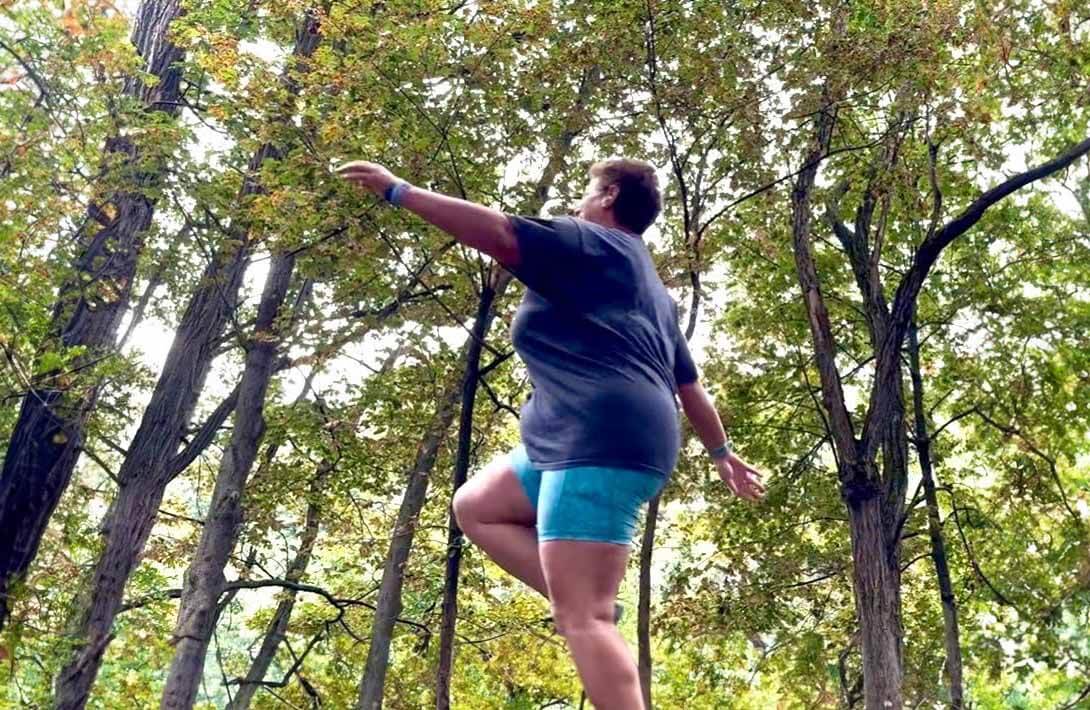
I became a frequent flyer at my physical therapist’s clinic. I was dealing with one overuse injury after another. Plantar fasciitis, extensor tendinitis, achilles tendinitis, and debilitating sciatica routinely sidelined me. My doctor and PT gave me a reality check: the constant pounding on the pavement was putting too much stress on my joints, and I drastically needed to incorporate low-impact cross-training into my routine.
That advice led me to the swimming pool last year.
Improving My Technique in the Water
I learned that swimming takes a lot more conscious effort and technique than running. With running, you can lace up your shoes and walk out the front door. Swimming requires more technical precision. Humans are built for land, not water, which means moving efficiently requires instruction.
Even though I swam for two years in high school, I knew my form was nowhere near where it needed to be. I needed professional eyes on my stroke to help me improve. This is where Coach Adina came in. She analyzed my movement in the water. She identified key areas for improvement in my stroke and built a structured training plan focused on specific drills. Working on my form made all the difference.
Discovering the Spirit of Swimrun
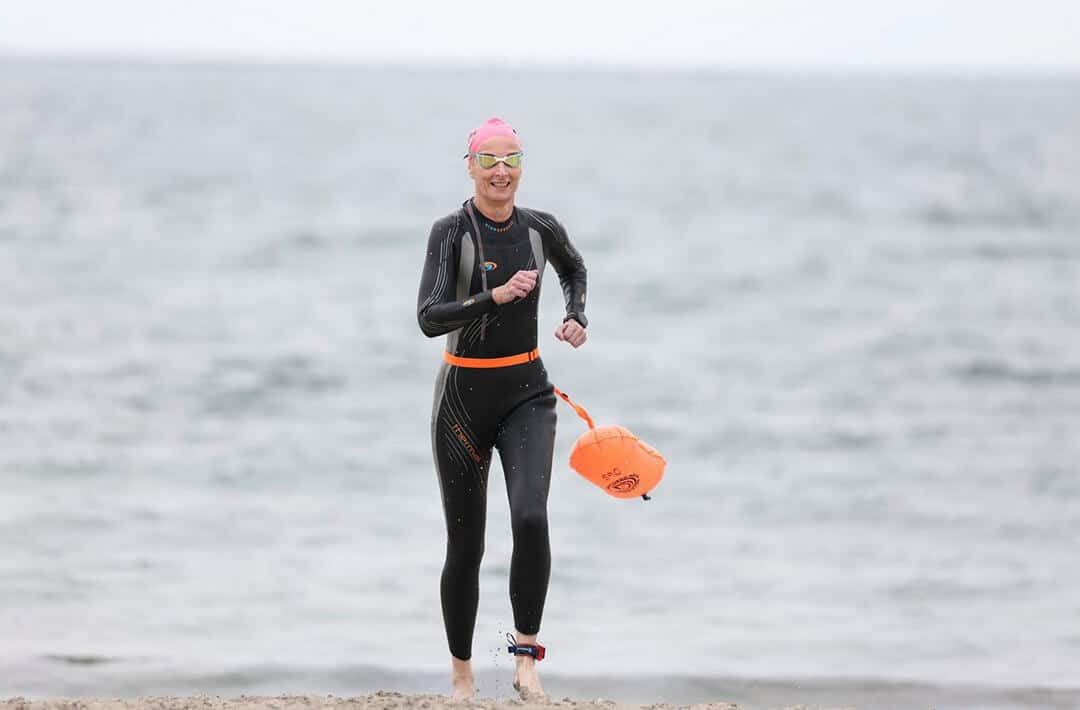
My initial motivation was simply injury prevention, but my goals shifted when I discovered a sport called swimrun. It is an adventure race where athletes tackle a point-to-point course, continuously alternating between open-water swimming and trail running. Because it combines my love for running with my new routine, I wanted to sign up immediately.
However, I recognized that my swimming ability was not strong enough to tackle my goal race, the Ötillö Casco Bay World Series event. This race has a total of 17 miles technical trail running and 5 miles of open water swimming distance, the highest ratio of swimming in the Ötillö swimrun races. I had no idea how to structure my training for that type of endurance. I joined Coach Adina’s pod swim program. Having a concrete plan eliminated the guesswork and gave me a clear path toward building real stamina in the water.
Pool to Open Water: The Ultimate Transition
Transitioning from a swimming pool to open water was a revelation. Moving from the indoor lanes to a lake or the ocean feels exactly like transitioning from a treadmill to outdoor road or trail running.
Inside the pool, the environment is controlled and repetitive. Outdoors, you are interacting with nature. Embracing the open water brought back the exact same sense of freedom and movement that drew me to running in the first place.
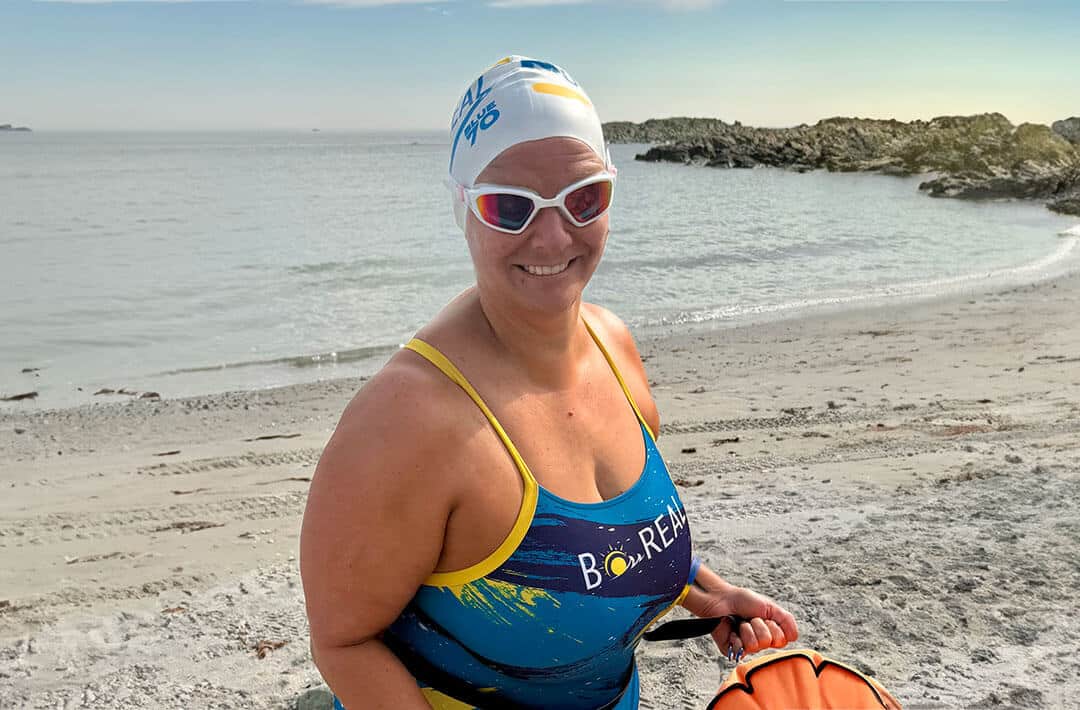
To build open-water racing experience for Ötillö, I competed with Team B*Real in the Landshark (2.4 miles), Waterman Eco Challenge (3.1 miles), and Wild Bill Swim (2 miles) races as well.
The Surprising Benefits to My Running Times
While I expected swimming to help my joints, the actual physical benefits completely surpassed my expectations. The pool gave me an intense full-body workout without any of the jarring impacts of running. Within months, I noticed increased strength in my core and visible muscle definition in my arms and back.
The biggest surprise, however, was the impact on my running performance. Even though I was running fewer miles per week, my overall endurance improved significantly. I noticed I could sustain a fast pace for a longer duration with much less physical effort.
That extra stamina directly improved my race times. Last year, I set new personal records in four different long-distance events. Today, I am consistently finishing half marathons in under two hours. A few years ago, running a sub-two-hour half marathon felt like an impossible goal. By slowing down, stepping off the pavement, and focusing on technique in the water, I became a much stronger, faster, and healthier athlete.


Adina, thank you for being such an incredible coach and mentor! Crossing paths with you and joining your swim program was one of the best decisions I’ve made for my athletic journey. I hope this post inspires other runners to give swimming a try!
Thanks Liz! It’s been a pleausrue to be a part of your journey. Thanks for sharing your story.